
The Importance of Finding a Leak Quickly
Understanding the significance of detecting leaks early can mitigate various risks, including financial, structural, and environmental impacts. Detecting leaks promptly serves as an essential measure for preserving building integrity and avoiding exorbitant emergency repair expenses. Leaks, whether occurring within plumbing infrastructure, roof structures, or foundation perimeters, pose immediate challenges that demand swift intervention. The longer a leak persists unnoticed or unaddressed, the more severe and costly its ultimate consequences become. Proactive leak management not only minimizes immediate property damage but also fosters sustainability, environmental responsibility, and safety across both residential and commercial environments.
1. Identifying Financial Implications
Delayed leak identification leads directly to exponential increases in property repair costs as water intrusion compromises surrounding structural components over time. A simple plumbing drip may initially appear trivial, but its prolonged presence can destroy drywall, rot wooden framing, and undermine subflooring. Addressing minor moisture issues swiftly prevents the need for extensive structural renovations and mold remediation projects, saving property owners substantial financial resources over time. Consequently, early detection serves as a primary cost-effective strategy for residential and commercial maintenance.
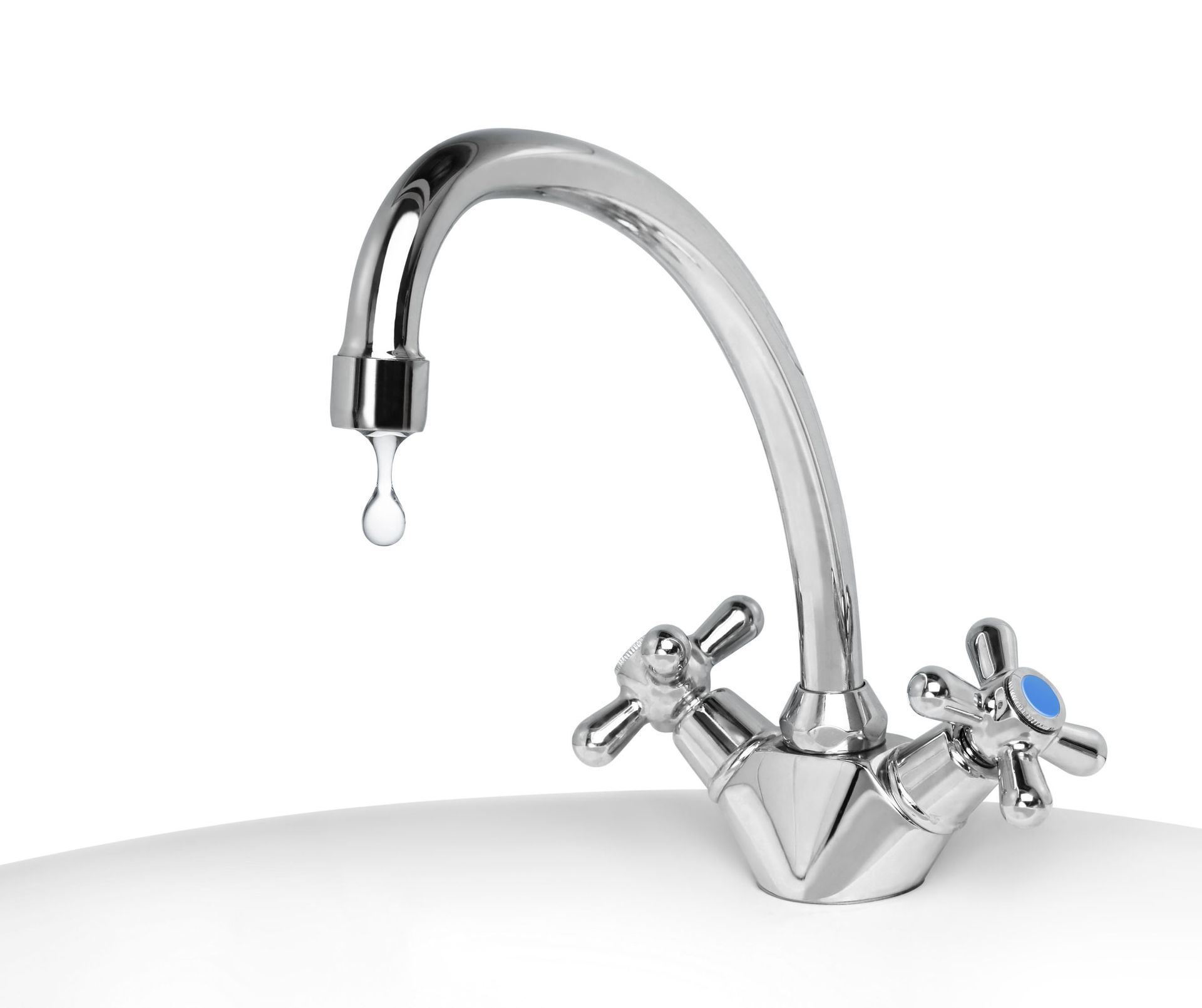
Unaddressed moisture leaks contribute heavily to inflated monthly utility bills through continuous, unnoticed water consumption. According to Jobber, a leaking faucet can result in 3,000 gallons of wasted water in one year. Such inefficiencies impose unnecessary financial burdens on households while simultaneously wasting vital municipal water supplies. Monitoring water meter readings and reviewing utility billing statements for unexpected spikes allows property owners to detect hidden leaks early, maintaining manageable monthly operating expenses and supporting community water conservation goals.
Continuous exposure to moisture damages surrounding electrical equipment, heavy appliances, and interior furnishings, culminating in premature replacement requirements. Water intrusion near electrical outlets or hardwired machinery introduces serious risk of short circuits, severe equipment failure, and potential fire hazards. Additionally, frequent or severe water damage claims can cause insurance providers to raise property insurance premiums or lower coverage limits. By managing leaks proactively with local plumbers, property owners protect valuable hardware, maintain favorable insurance rates, and preserve long-term real estate valuation.
2. Assessing Health and Safety Risks
Persistent moisture buildup creates ideal growth environments for toxic mold and mildew, which negatively impact indoor air quality and human respiratory health. Damp building materials foster rapid mold spore proliferation, posing severe health hazards to individuals with pre-existing allergies, asthma, or compromised immune systems. Unchecked mold contamination can spread through ventilation systems within 48 to 72 hours, causing widespread air quality degradation. Routine visual checks and prompt moisture remediation remain vital for inhibiting fungal growth and maintaining safe indoor living conditions.
Long-term water exposure severely compromises structural integrity, creating severe safety hazards for building occupants. Water seeping into foundational elements, load-bearing timber, or concrete supports causes gradual material decay and potentially catastrophic structural failures. Compromised structural integrity often presents as sagging ceiling drywall, warped flooring boards, cracked plaster, or shifted foundations. Engaging local plumbers for comprehensive structural plumbing evaluations ensures concealed pipe leaks are corrected before severe structural damage compromises building safety.
In addition to structural degradation, standing water from plumbing leaks creates immediate physical hazards and pest risks. Water pooling on non-porous flooring surfaces severely increases the likelihood of dangerous slip-and-fall accidents in high-traffic commercial areas and residential hallways. Furthermore, damp environments attract unwanted pests, including termites, roaches, and rodents, which thrive in humid conditions. Maintaining completely dry indoor environments through prompt leak repairs eliminates trip hazards, discourages pest infestations, and ensures sanitary living and working conditions.
3. Analyzing Environmental Consequences
Unchecked plumbing leaks contribute significantly to unnecessary water waste, exacerbating severe water supply shortages in ecologically vulnerable regions. As global freshwater supplies face increasing demand, urban centers and rural communities alike must actively minimize preventable distribution waste. Rapidly repairing domestic and commercial pipe leaks conserves millions of gallons of treated drinking water annually, alleviating demand on municipal reservoirs and preserving local watersheds for future generations.
Subsurface pipe failures and sewage leaks pose direct threats to surrounding soil quality and local groundwater reserves. Leaking wastewater lines can release harmful pathogens, chemical compounds, and concentrated nitrates into underground aquifers, rendering natural water sources unsafe for human consumption and wildlife habitats. Additionally, persistent underground leaks erode surrounding soil strata, destabilizing custom landscaping features, cracking nearby concrete pavements, and causing foundational shifting over time.
Water distribution leaks create additional environmental harm by inducing severe energy inefficiency across municipal systems. Pumping, treating, and heating wasted water requires immense electrical power, unnecessarily expanding carbon footprints and increasing overall energy consumption. Furthermore, altered moisture levels caused by outdoor pipe leaks disrupt local flora and fauna habitats, disturbing fragile ecological balances. Comprehensive leak management effectively aligns property operations with vital energy conservation and environmental protection goals.
4. Deploying Leak Detection Techniques
Performing consistent visual inspections around vulnerable plumbing fixtures serves as an efficient, low-cost method for detecting early moisture issues. Property owners should routinely evaluate under-sink cabinet spaces, exposed basement piping, water heater bases, and roof cavities for discolored drywall, peeling paint, or active dripping. Identifying surface-level indicators early enables quick corrective action before minor moisture issues develop into widespread structural damage.
Tracking household water consumption patterns provides invaluable analytical insight into hidden distribution system leaks. Cross-referencing monthly utility statements against historical seasonal averages helps isolate unexplained usage increases indicative of concealed pipe ruptures. Additionally, property owners can perform simple meter tests by turning off all interior water fixtures and observing whether the main water meter continues tracking flow, confirming the presence of an active leak.
Leveraging advanced technology and professional diagnostic services provides maximum precision when locating elusive plumbing leaks. Smart water monitors and automated shut-off valves provide real-time consumption data, instantly alerting property managers to unnatural flow patterns and isolating water lines automatically. For non-invasive detection, certified local plumbers utilize specialized acoustic equipment and thermal imaging technology to pinpoint hidden leaks inside wall cavities and beneath underground concrete slabs accurately.
5. Implementing Proactive Prevention Strategies
Establishing routine preventive maintenance schedules represents the most reliable method for reducing leak frequency and severity across any facility. Inspecting pipe joints, flexible appliance hoses, valve seals, and fixture gaskets allows property managers to replace worn components before total mechanical failure occurs. Proactive component replacement significantly extends overall plumbing infrastructure longevity while preventing sudden indoor flooding events.
Upgrading aging pipe materials and installing pressure-reducing valves offers long-term protection against unexpected line bursts. Modern piping materials, such as cross-linked polyethylene (PEX) and high-grade copper, deliver superior durability and resistance to chemical corrosion compared to legacy galvanized steel pipes. Furthermore, installing pressure-reducing valves ensures incoming municipal water pressure remains at safe operating levels, eliminating excessive stress on internal pipe welds and appliance valves.
Integrating thoughtful exterior landscaping design and educating building occupants further strengthens property leak defense. Designing proper exterior grading, installing French drains, and utilizing rain gardens safely routes surface runoff away from building foundations, preventing exterior water intrusion. Simultaneously, training residents and office personnel to recognize and report early signs of moisture buildup fosters a proactive culture of shared responsibility, ensuring rapid response to emerging plumbing issues.
Utilizing temporary containment measures and conducting post-repair evaluations completes an effective leak management workflow. Applying temporary pipe clamps or sealant wraps limits active water spread while awaiting complete component replacement. Following repair completion, property managers should conduct thorough post-repair inspections to verify complete seal integrity, confirm proper system operating pressure, and ensure long-term structural dryness. For more information about the services that we offer, reach out to our incredible team at Mike Leonard's Plumbing & Drain Cleaning today!
Share On: